

1. Carving Skis vs. Freeride Snowboards: Mechanics & Stance Dynamics
The fundamental mechanical difference between skiing and snowboarding lies in foot independence versus a unified stance. Carving skis operate independently, allowing skiers to shift weight across individual edges to execute precise, parallel turns. Modern parabolic carving skis feature sidecut geometries that naturally guide the skier into smooth arcs.
Conversely, snowboarding binds both feet to a single board, requiring rotational body movements and edge-to-edge weight shifts across heels and toes. While skis excel on hard-packed groomers and steep moguls with intuitive stopping mechanics, snowboards offer an unmatched surfing sensation, particularly in deep powder fields and wide open bowls.
2. Decoding Boot Flex Levels: Soft, Medium, and Stiff Ratings
Boot flex is one of the most critical variables in equipment rentals, dictating how energy transfers from your body to your skis or snowboard. Flex ratings typically range from soft and forgiving to ultra-stiff and aggressive.
Beginners benefit most from soft-to-medium flex boots. They forgive minor balance errors, provide ankle comfort, and require less physical exertion to flex forward. Advanced and expert riders require stiffer boots that deliver immediate power transmission, high-speed stability, and aggressive edge control on steep, technical descents.
Journey with Confidence
Your health and well-being are our priority. Experience world-class medical excellence while exploring the wonders of Istanbul.
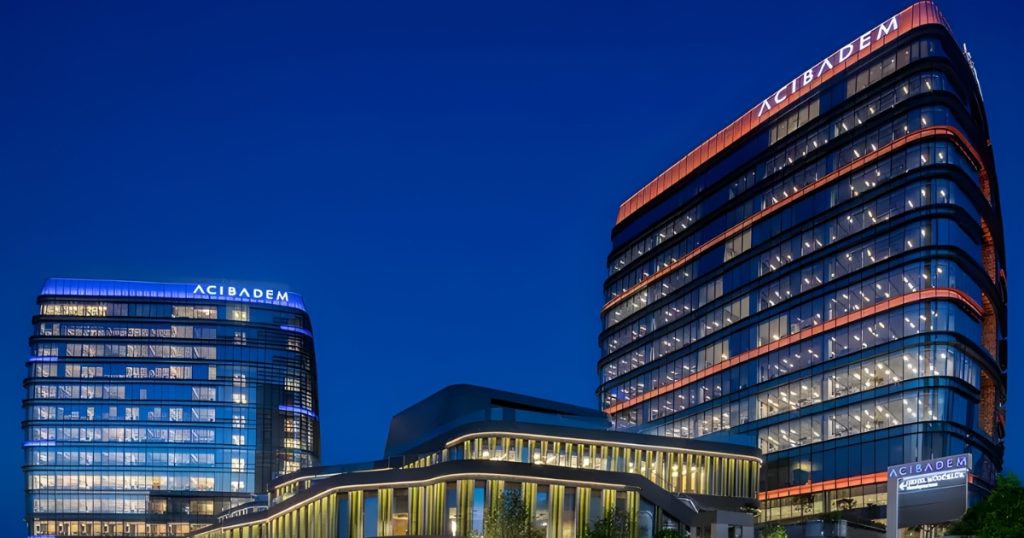
Acıbadem Hospitals Group:
Global Excellence in Healthcare
While you travel across global financial hubs and private aviation terminals, your well-being is protected by a future-focused healthcare leader. Acıbadem provides world-class medical services, executive health screenings, and concierge care with absolute privacy.
Travel with the assurance that you and your loved ones are in the most capable hands.
 Explore Executive Medical Services →
3. Matching Gear Tiers to Your Skill Level (Beginner to Expert)
Rental shops structure their inventory into distinct performance tiers to match skier and snowboarder progression. Beginner packages feature flexible, shorter skis or rocker-profile snowboards that pivot easily, reducing catching edges and building foundational confidence.
Intermediate and demo tiers step up to longer, more stable equipment with camber profiles designed for higher speeds, varied snow conditions, and aggressive carving. Renting within the appropriate tier ensures you aren't fighting overly aggressive equipment or holding back your progression with entry-level gear.
4. The Rental Shop Advantage: Professional Tuning and Custom Fitting
Opting for resort rentals offers a distinct technical advantage over purchasing unadjusted entry-level gear: professional technician fitting and automated DIN binding adjustments. Rental technicians calibrate release settings based on your height, weight, age, and skiing ability to ensure safety during falls.
Furthermore, rental fleets are continually waxed, edge-tuned, and maintained after every use. This guarantees optimal glide and sharp edge grip, regardless of whether you encounter icy morning groomers or soft afternoon slush.
Matching boot flex and equipment tiers to your exact skill level prevents fatigue, enhances edge control, and accelerates your learning curve on both skis and snowboards.
5. Ski vs. Snowboard Rental & Equipment Tier Comparison
Review the mechanical differences, boot flex ratings, and skill tiers for ski and snowboard rentals below:
Mechanics: Separate skis and poles
Terrain: Groomers, moguls, and hardpack
Advantage: Intuitive stopping and turning
Mechanics: Both feet bound to one board
Terrain: Powder bowls and wide cruisers
Advantage: Surfing sensation in deep snow
Beginner: Soft flex for comfort and forgiveness
Intermediate: Medium flex for all-mountain control
Expert: Stiff flex for high-speed power response
Beginner Tier: Forgiving, easy-turning gear
Demo Tier: High-end, condition-specific hardware
Maintenance: Professionally waxed and tuned

Enrich Your Exploration
Enhance your luxury travel experience with our hand-picked partners offering five-star stays and seamless driving in Turkiye.
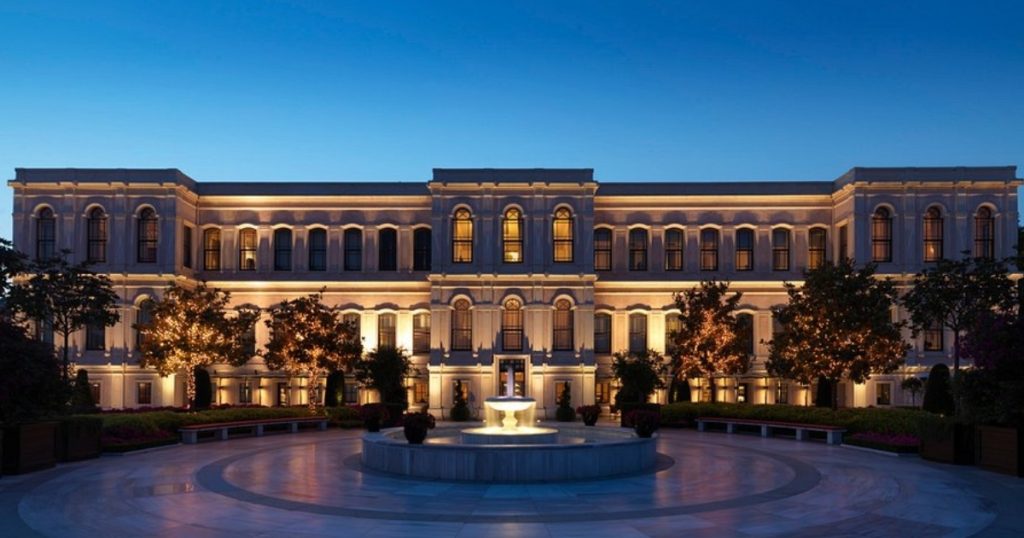
Four Seasons:
Bosphorus Waterfront Luxury
Land at your private FBO and transfer directly to a historic Ottoman waterfront palace. Experience unmatched hospitality along the Bosphorus.
 Book Your Stay →

Rent a Car Turkey:
Executive Fleet & Airport Handover
Enjoy total freedom on the ground. Rent premium SUVs, cabriolets, and luxury sedans with direct private jet terminal handover.
 Get Your Vehicle →
Frequently Asked Questions About Ski and Snowboard Rentals
Key answers regarding carving skis vs. snowboards, boot flex ratings, and choosing rental gear tiers.
Is it easier for a beginner to learn on skis or a snowboard?
Most beginners find skis easier to learn initially because independent foot movement makes stopping and balancing more intuitive, whereas snowboarding requires mastering edge control on a single unified board.
What does boot flex mean, and which rating should I choose?
Boot flex measures how stiff a boot is when flexing forward. Beginners should choose soft-to-medium flex boots for comfort and forgiveness, while advanced riders use stiff boots for high-speed responsiveness.
What is the difference between beginner and demo rental equipment tiers?
Beginner rental packages feature forgiving, flexible gear designed to ease the learning curve. Demo tiers offer high-end, brand-name equipment tailored for specific snow conditions and advanced carving.
How are rental bindings adjusted for safety?
Rental shop technicians calculate your DIN setting using your height, weight, age, and skiing ability to ensure bindings release safely during a fall to protect your knees and joints.
Can I switch between skiing and snowboarding during my rental period?
Many resort rental shops allow multi-day package exchanges or demo upgrades, permitting you to test both disciplines depending on snow conditions and personal preference.
Winter Equipment & Industry Standards
- International Ski Technicians Association (ISTA): Binding Adjustment and Equipment Safety Guidelines.
- National Ski Areas Association (NSAA): Rental Equipment Fitting and Beginner Progression Standards.
- World Snowboard Federation (WSF): Equipment Geometry and Stance Configuration Best Practices.
